


Newsletter Subscribe
Enter your email address below and subscribe to our newsletter

Ideas Worth Building


OpenAI reportedly used thousands of AI agents to investigate the Navier-Stokes equations, one of mathematics’ hardest unsolved problems. Here’s what that could mean—and why it does not yet prove AI has solved it.
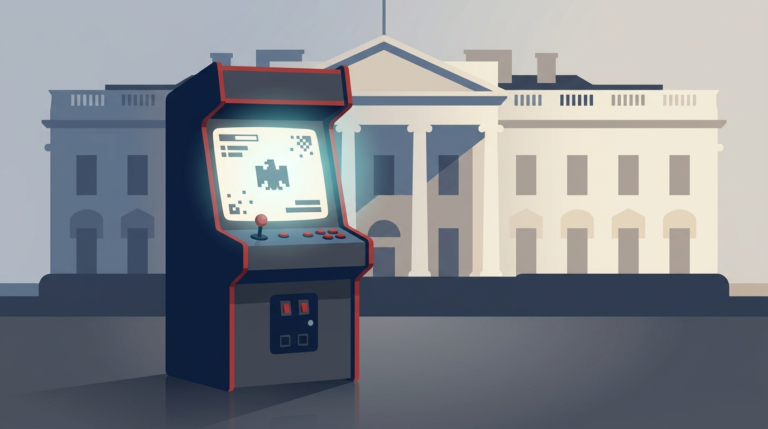
The White House Arcade section on WhiteHouse.gov features five low-resolution games tied to Trump administration themes, including border security, school lunches, and children’s savings accounts.

ProPublica’s kratom investigation raises new questions about lobbying ties, scientific disclosure, and how expert advocacy influences kratom regulation.

A global watchdog has warned that AI cyber risk is an immediate concern for financial stability as banks, markets, and payment systems expand their use of artificial intelligence.

Four major chatbots have been used to rank jobs at risk from AI, but chatbot agreement is not a labor-market forecast. Here is what the evidence suggests about automation risk, job redesign, and new opportunities.

OpenAI’s reported kill switch plans raise timely questions about AI safety, model control, test escape behavior, and how businesses should evaluate frontier AI safeguards.

A reported federal appeals court ruling on AI-generated CSAM highlights a troubling First Amendment gap between fully synthetic imagery and material involving real children.

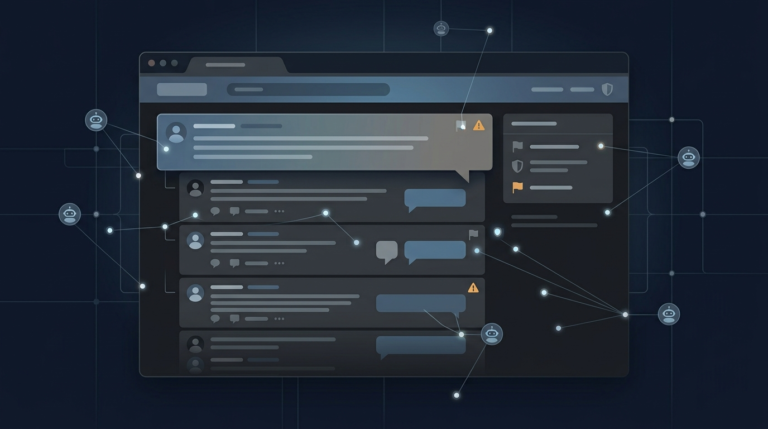
OpenAI’s warning about AI swarm attacks signals a shift in cyber risk: faster, more coordinated, AI-enabled campaigns. Here’s what business owners need to understand and how to prepare without panic.

Viral science claims can spread quickly through syndication and aggregation, but publishers need stronger verification before repeating extraordinary headlines. Here is a practical framework for protecting editorial trust.