

Newsletter Subscribe
Enter your email address below and subscribe to our newsletter

Ideas Worth Building
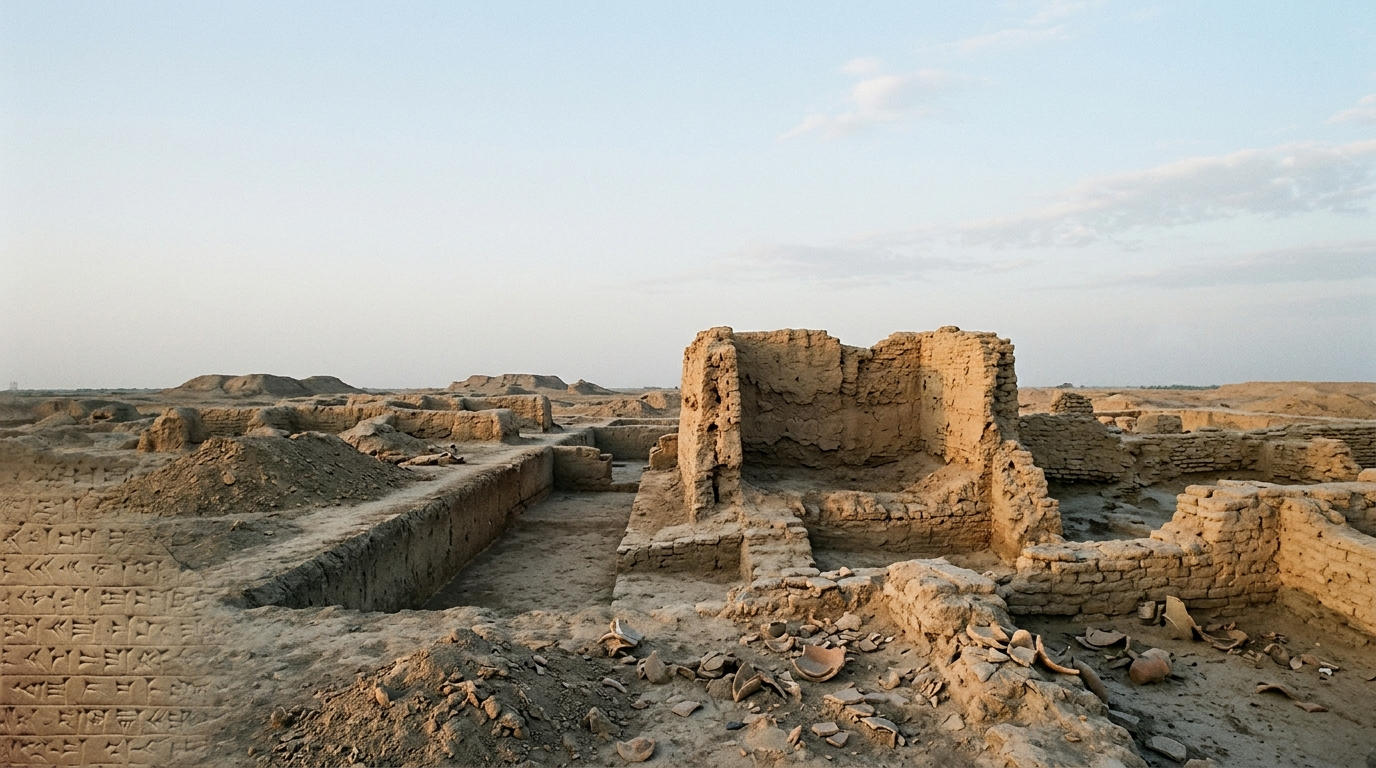
A 2003 BBC report revived interest in a possible Gilgamesh tomb at ancient Uruk, but the claim remains an interpretation rather than confirmed proof of the legendary king’s burial site.
A report that archaeologists may have identified the Gilgamesh tomb has circulated for years because it connects two powerful ideas: one of the world’s oldest literary heroes and the real archaeology of ancient Mesopotamia.
But the key point is caution. The claim does not mean the tomb of Gilgamesh has been confirmed. It refers to a 2003 BBC News report that archaeologists working at ancient Uruk in Iraq believed they had identified features that resembled descriptions associated with Gilgamesh in ancient tradition.
That makes the story interesting. It does not make it proven.
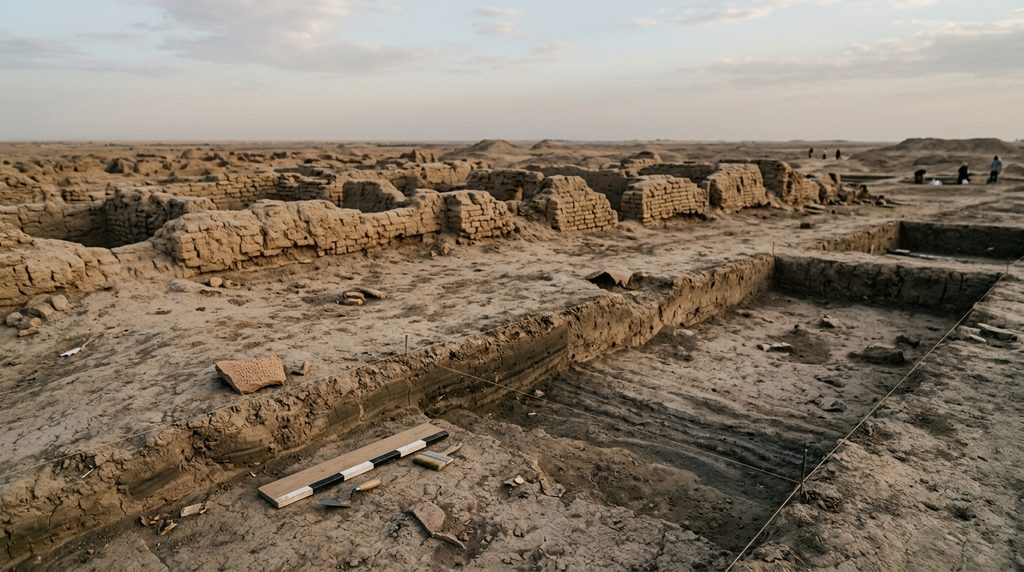
The BBC report, titled “Gilgamesh tomb believed found,” described archaeologists mapping ancient Uruk who believed they had found a burial site or city layout feature that appeared to match descriptions connected to Gilgamesh.
The language matters. The report presented an archaeological interpretation — not official proof that a specific grave had been identified as the tomb of Gilgamesh.
In other words, the strongest supported summary is this: archaeologists working at Uruk reported features they believed were consistent with literary descriptions, but the discovery was not confirmed as the actual burial place of Gilgamesh.
That distinction is especially important because headlines using phrases such as “Gilgamesh tomb found” can easily overstate what the evidence establishes.
Gilgamesh is one of the most famous figures associated with ancient Mesopotamia. He is linked to Uruk, one of the great cities of the ancient Near East, and appears in Mesopotamian king lists and later literary traditions.
That combination is what makes him so fascinating. Gilgamesh is not only a mythic hero. He is also presented in some ancient traditions as a ruler connected to a real city.
For modern readers, this creates a difficult question: was Gilgamesh a historical king whose life was later transformed by legend, a literary figure built around older traditions, or some mixture of both?
The available evidence does not allow a simple answer. Archaeology can study Uruk. Ancient texts can preserve names, stories, and traditions. But connecting a specific archaeological feature directly to a legendary individual requires a high standard of proof.
The Epic of Gilgamesh is one of the most important works in world literature. It preserves ancient Mesopotamian ideas about kingship, friendship, mortality, fame, grief, and the limits of human power.
The epic did not begin as a modern-style biography. It developed through literary tradition, drawing together stories associated with Gilgamesh and the world of ancient Mesopotamia.
That is why the tomb claim attracted attention. If archaeologists could firmly connect a burial site to Gilgamesh, it would be a major moment for Gilgamesh archaeology and for the study of the Epic of Gilgamesh.
But literary resemblance is not the same as identification. A place may resemble a description in an ancient text without proving that the text is a direct map to a specific grave.
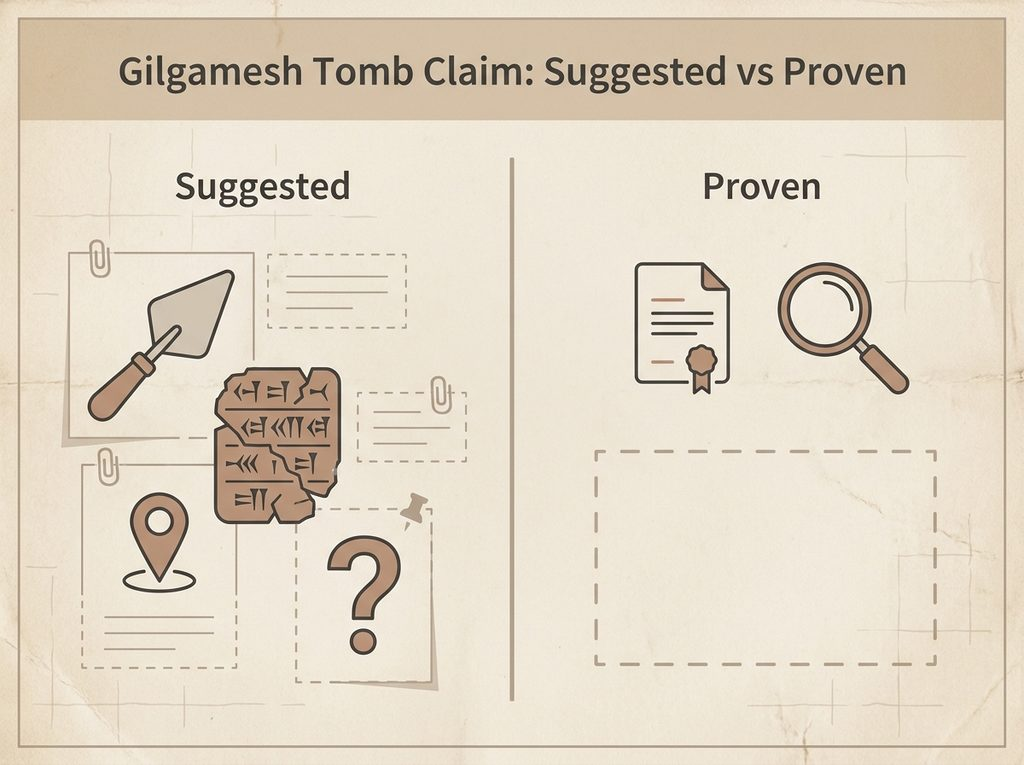
The reported Uruk archaeology claim is best understood in two parts.
The BBC-reported interpretation suggested that archaeological features at ancient Uruk may have resembled descriptions associated with Gilgamesh. That possibility helped revive public interest in whether a legendary Mesopotamian king may have had a real historical basis.
The report did not establish, beyond dispute, that the Gilgamesh tomb had been found. It did not turn Gilgamesh into a fully documented ruler with a confirmed burial site. It also did not remove the need for further archaeological verification and scholarly review.
This is the difference between an archaeological discovery claim and an archaeological conclusion.
Caution is normal in archaeology, especially when evidence is being connected to a figure known mainly through a mix of king lists, literature, and myth.
Ancient Mesopotamian sites can preserve real places and real material remains. Ancient texts can preserve memory, tradition, ideology, and storytelling. Sometimes those categories overlap. Sometimes they do not.
For Gilgamesh, the challenge is that his importance comes from several layers at once: possible historical memory, association with Uruk, appearance in king-list traditions, and later literary development in the Epic of Gilgamesh.
A responsible interpretation has to keep those layers separate.
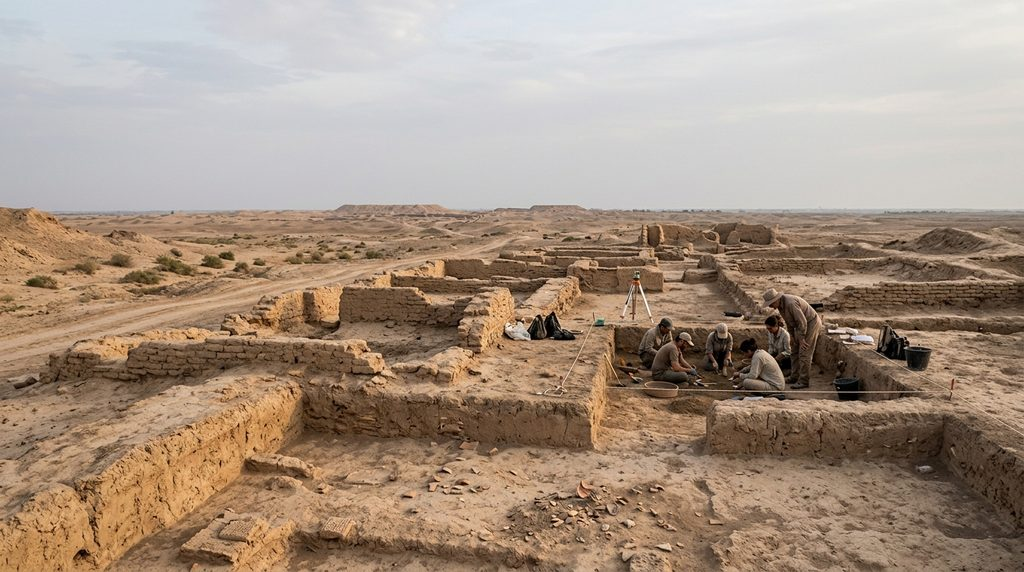
The Gilgamesh tomb has not been definitively confirmed based on the information available from the BBC-reported claim. What was reported in 2003 was an interpretation by archaeologists working at ancient Uruk, who believed certain features resembled descriptions connected to Gilgamesh.
That remains a compelling story — not because it proves the tomb of Gilgamesh was found, but because it shows how archaeology, literature, and myth can meet in the study of ancient Mesopotamia.
For now, the most accurate way to describe the claim is cautious: the search for Gilgamesh’s historical footprint continues, but the legendary king’s tomb remains unverified.
Read more background on ancient discoveries and the evidence behind archaeological discovery claims before treating dramatic tomb headlines as settled history.
“name”:”BBC News: “Gilgamesh tomb believed found””,”url”:”http://news.bbc.co.uk/2/hi/science/nature/2982891.stm“