


Newsletter Subscribe
Enter your email address below and subscribe to our newsletter

Ideas Worth Building


A major study finds Greenland and Antarctica have lost more than 12 trillion tonnes of ice since 1979, with polar ice loss accelerating in the 1990s. The trend matters for climate projections, glacier melt research, and global sea level rise.

Safety-net primary care research on somatic therapy for PTSD raises important questions about access, acceptability, and trauma-informed care—but it should not be mistaken for proof of clinical effectiveness.

Somatic therapy is a body-based approach to trauma care that focuses on sensations, movement, grounding, and nervous-system regulation. For PTSD, it may be helpful for some people, but it should be understood as an emerging or complementary approach rather than a guaranteed cure.

PTSD symptoms go beyond flashbacks. This expert guide explains the major symptom categories, trauma-related causes, diagnosis, when to seek help, and evidence-based treatment options.

For consumers looking for pain relief or a way out of opioid use, kratom can sound like a middle ground: plant-based, legal in many places, and widely marketed in smoke shops, supplement stores, and online. But doctors and public health…

A hostile takeover is a formal M&A term for an acquisition attempt made without the target board’s approval. A “murderous takeover” is usually informal, dramatic language rather than a standard finance category.

Psychodrama therapy uses role-play, enactment, and group reflection to explore emotions and relationships. Here is how it works, what the evidence suggests, and why it should be considered cautiously alongside more established therapies.

Animal studies suggest a Salvia-associated psychedelic compound may influence pain, addiction, and stroke-related biology. But anxiety-like side effects and the preclinical nature of the evidence remain major caveats.

Healthcare AI is moving beyond automation into disease detection, cancer research, and personalized treatment. Here is how researchers are using AI responsibly, where the evidence is strongest, and what risks still need to be addressed.
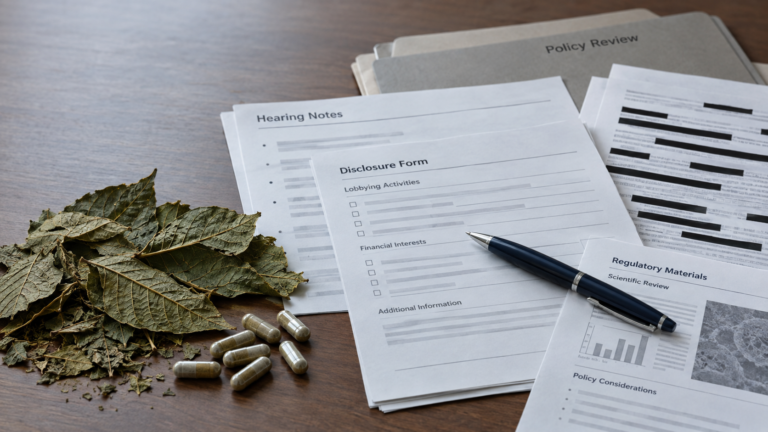
New national poison center findings show kratom-related calls rose roughly 65-fold over 13 years, while states with retail sales bans reported fewer severe outcomes. The data raises consumer safety and public health questions, but it does not prove bans directly caused the lower severe-case rates.