


Newsletter Subscribe
Enter your email address below and subscribe to our newsletter

Ideas Worth Building
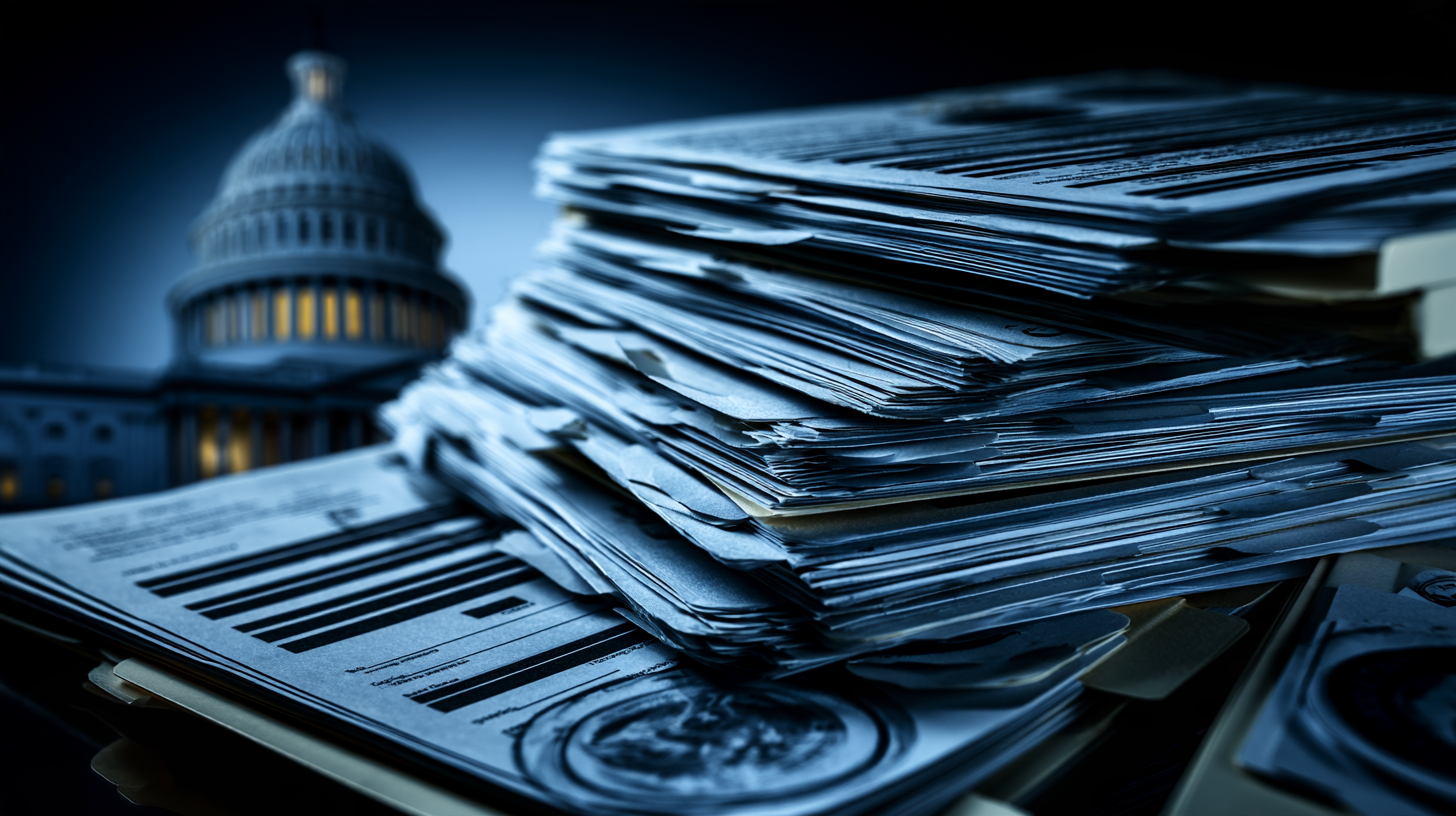
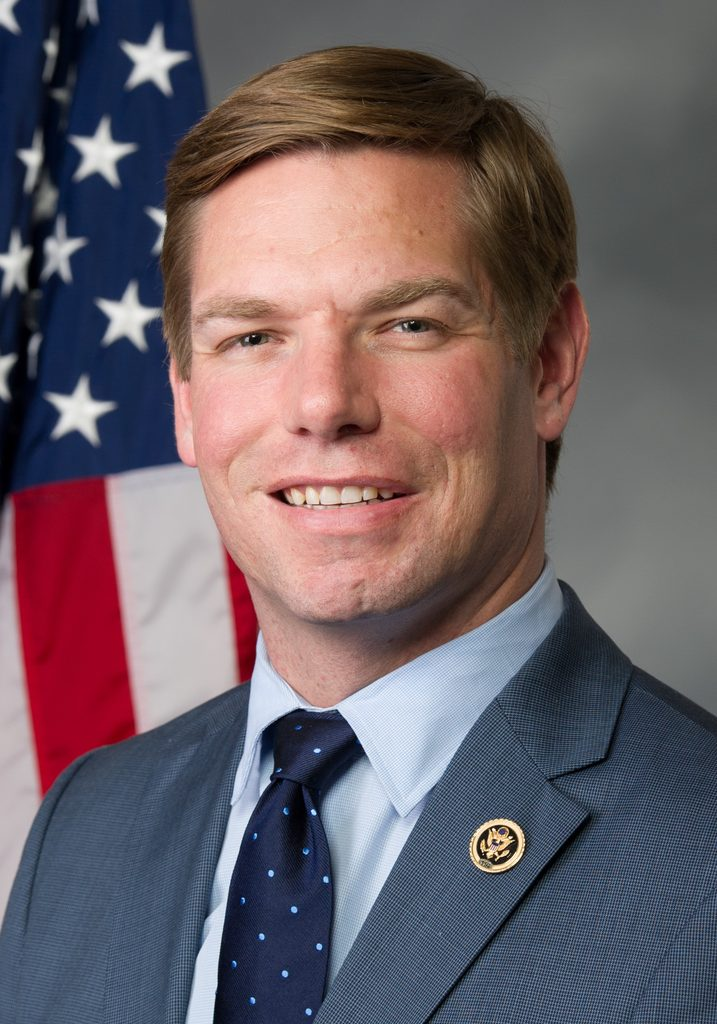
Newly declassified FBI records are reportedly drawing fresh attention to Eric Swalwell, Christine Fang — also known as Fang Fang — and long-running questions about foreign influence risks in American politics.
The records, described in source material as declassified FBI files detailing Swalwell’s relationship with a suspected Chinese spy, appear to reopen public scrutiny of a case first brought into national view through prior reporting on alleged Chinese political influence activity in the United States. The central issue is not whether any allegation has been proven in court. It is what the newly released records say, how they compare with prior public reporting, and what they may reveal about national security vulnerabilities around campaigns, fundraising, and political access.
The allegations are serious and remain legally sensitive. Public reporting has not established that Swalwell was charged with a crime, knowingly aided a foreign intelligence operation, or knowingly accepted improper support from a foreign national. Swalwell has previously denied wrongdoing and has said he cooperated with federal authorities after being briefed about concerns involving Fang.
The newly public materials are described as declassified FBI records connected to Christine Fang, a Chinese national previously identified in media reporting as a suspected Chinese intelligence-linked figure who cultivated political relationships in California and elsewhere.
The available source material indicates that the files raise questions about:
– Swalwell’s interactions with Fang;
– whether foreign influence networks sought access to rising U.S. political figures;
– possible campaign finance concerns tied to political fundraising activity;
– broader national security risks involving political espionage and influence operations.
At this stage, those points should be treated as issues reportedly raised by declassified records, not as findings of criminal liability. Declassified FBI files can include raw intelligence, interview summaries, investigative leads, assessments, and contextual material. Such records may be significant without proving every allegation or implication contained in them.
That distinction matters. Intelligence and law enforcement records often document suspicion, concern, or investigative interest. They do not automatically establish that a public figure knowingly participated in espionage, violated campaign finance law, or acted on behalf of a foreign power.
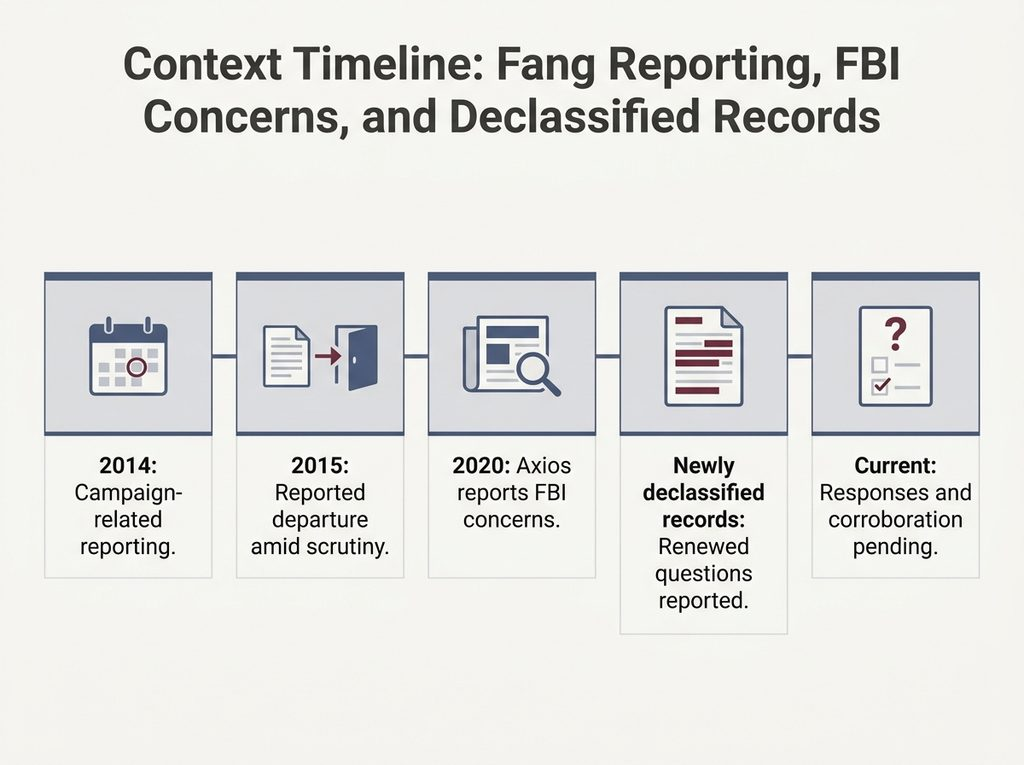
The Swalwell-Fang matter became widely known after Axios reported in 2020 that Christine Fang had developed relationships with political figures, including Swalwell, as part of what U.S. officials viewed as a suspected Chinese influence effort. Axios reported that Fang helped with fundraising activity for Swalwell’s 2014 reelection campaign and helped place an intern in his congressional office.
According to prior reporting, federal investigators later alerted Swalwell to concerns about Fang. Swalwell reportedly cut off contact and cooperated with authorities. Public reporting has also stated that Swalwell was not accused of sharing classified information with Fang.
Fang reportedly left the United States in 2015 amid scrutiny from federal authorities. The case has since become a recurring point of political controversy, especially because Swalwell served on the House Intelligence Committee and was a visible Democratic voice on national security issues.
Those prior reports provide the essential context for the new attention around the Eric Swalwell FBI files. The key question now is whether the declassified records add meaningful detail to what was already known, or whether they primarily restate investigative concerns that had previously been reported.
Foreign influence operations rarely resemble simple spy stories. In many cases, the concern is not a single dramatic exchange of secrets, but a pattern of access-building.
Intelligence-linked actors may seek to cultivate relationships with local officials, campaign staff, donors, student groups, business leaders, or rising politicians long before those individuals hold major power. The goal can be to build goodwill, gain insight into political networks, identify future targets, or influence decision-making indirectly.
That is why the Fang Fang case has continued to receive attention. Even if a public official is not accused of wrongdoing, the possibility that a suspected Chinese intelligence-linked figure gained proximity to elected officials raises legitimate national security questions.
Those questions include:
– How quickly are campaigns warned when a foreign influence concern emerges?
– What safeguards exist around volunteers, interns, donors, and fundraisers?
– How do campaigns vet people who offer political help?
– What should be disclosed to the public when national security concerns intersect with elected officials?
– How can agencies brief targets without unfairly damaging reputations?
The declassified records may help answer some of those questions. They may also leave important gaps.
The editorial concern around campaign finance allegations should be handled carefully. A foreign national is generally barred from contributing money or providing certain forms of support in U.S. elections. But any allegation involving campaign finance must be supported by specific records, not inference alone.
If the declassified FBI files refer to fundraising, donations, event support, or political assistance, those claims should be compared against Federal Election Commission records and any relevant campaign filings. A reference to fundraising activity does not automatically prove an illegal contribution or knowing campaign finance violation.
For that reason, the strongest way to evaluate this part of the story is through documentary comparison: what the FBI records reportedly say, what FEC filings show, what the campaign disclosed, and whether any enforcement agency took action.
As of the available source material for this brief, there is no confirmed public finding cited here that Swalwell was charged with campaign finance violations related to Fang.
Swalwell has previously said he did nothing wrong and cooperated with federal authorities after receiving a defensive briefing about Fang. Prior public reporting has also indicated that he cut ties with Fang after being alerted to the government’s concerns.
A current statement from Swalwell or his representatives should be included alongside any published account of the newly declassified files. The same applies to any available comment from the FBI, the Justice Department, the House Intelligence Committee, or the office responsible for releasing the records.
No new statement from Swalwell, his representatives, the FBI, or relevant officials was included in the source material available for this brief. If such a statement is issued, it should be added prominently because the story involves allegations against a living public figure and concerns that could affect public perception of national security conduct.
The political interpretation of the declassified FBI files is already likely to divide along partisan lines. Critics of Swalwell may argue that the records validate long-standing concerns about his judgment, foreign influence exposure, or fitness for sensitive committee roles. Supporters may argue that the case has been weaponized politically despite the absence of public charges against him.
Both interpretations should be separated from the documented record.
What is confirmed through prior public reporting is that Fang had contact with multiple political figures, that federal authorities became concerned about her activities, and that Swalwell was briefed and reportedly cooperated. What remains dependent on the newly declassified records is whether they add verified new facts, raise unresolved investigative questions, or simply provide more detail around a previously reported episode.
Beyond Swalwell, the case highlights a persistent challenge for U.S. politics: foreign governments do not need to compromise senior officials directly to create intelligence value. They can seek access through local politics, campaign networks, civic organizations, social relationships, and donor circles.
That makes transparency important, but it also makes precision essential. Overstating what a declassified file proves can mislead the public. Understating foreign influence risks can leave campaigns and officials vulnerable.
The best reading of the current moment is that the Eric Swalwell FBI files should be examined as part of a broader pattern of concern about political espionage and foreign influence, not as a substitute for verified findings. The records may be newsworthy because they shed light on how federal authorities viewed Fang’s activity and how political access was obtained or attempted. But allegations contained in or implied by government records still require careful attribution and corroboration.
Several developments will determine how significant the declassified records become:
1. Whether the official release includes full FBI source documents or only selected excerpts.
2. Whether Swalwell or his representatives issue a detailed response.
3. Whether the FBI, Justice Department, or congressional officials provide context about the records.
4. Whether campaign finance records show any discrepancy relevant to the allegations.
5. Whether the release leads to formal congressional inquiries or remains a political controversy.
For readers, the most important takeaway is caution. The declassified records reportedly raise questions about foreign influence, Fang Fang, and Swalwell’s past political network, but questions are not the same as proven conclusions.
The public interest lies in understanding what the government knew, what officials did in response, and whether existing safeguards are strong enough to protect campaigns from foreign intelligence-linked access efforts.
Read More: Follow our continuing coverage of U.S. politics, national security, foreign influence investigations, and government transparency records.