


Newsletter Subscribe
Enter your email address below and subscribe to our newsletter

Ideas Worth Building
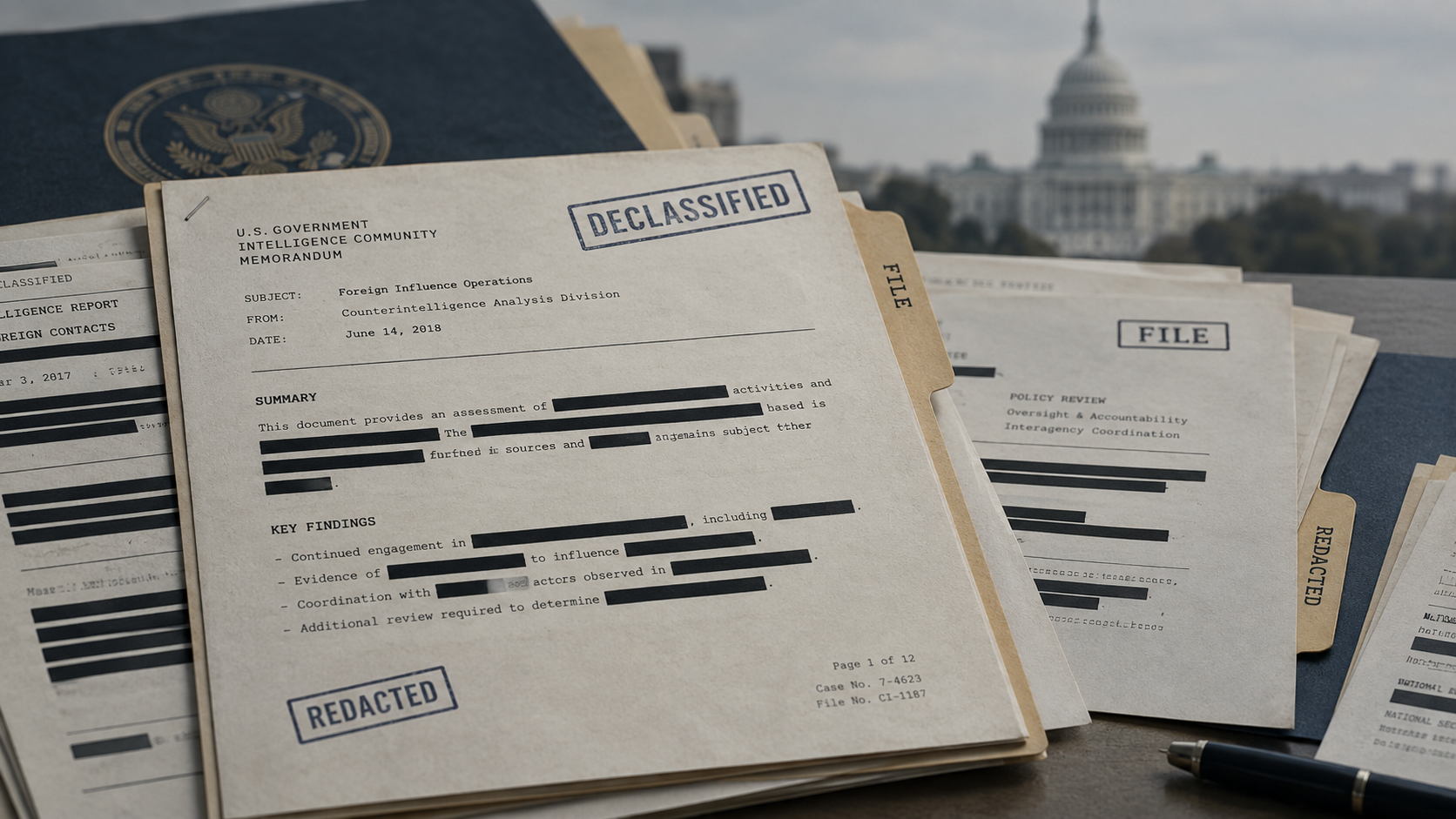
Declassified FBI records reportedly say Eric Swalwell was assessed as “potentially compromised” through contact with suspected Chinese intelligence operative Christine Fang. The files raise national security and foreign influence questions, but the allegations remain unproven.
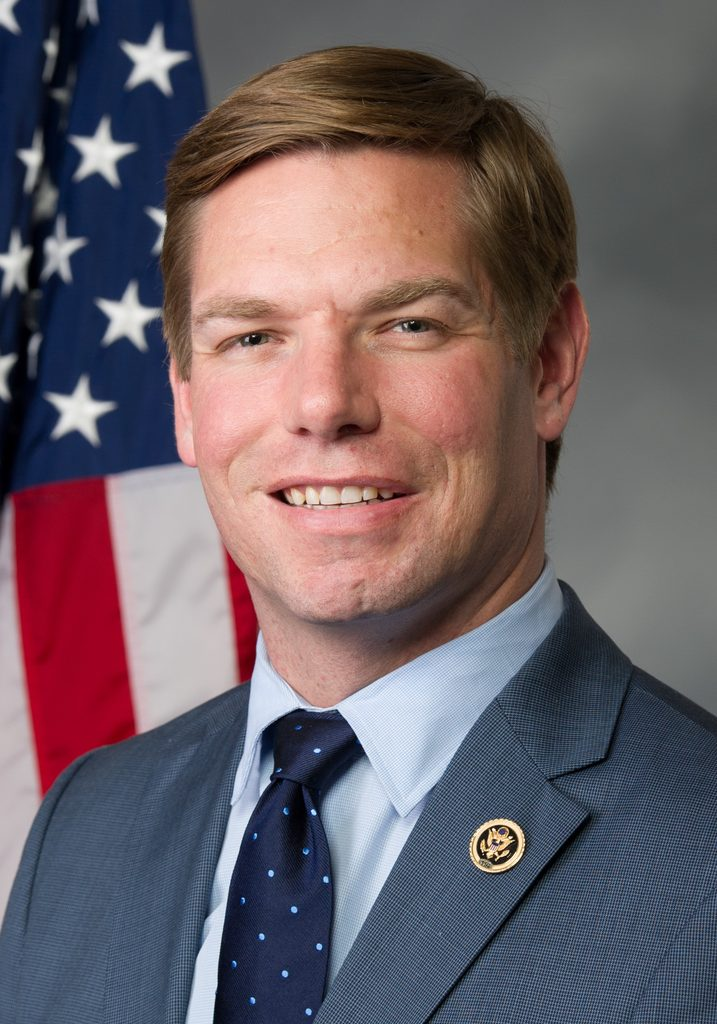
Newly declassified records released by the White House Government Transparency Task Force reportedly say the FBI assessed that former Rep. Eric Swalwell was “potentially compromised” through his contact with a suspected Chinese intelligence operative.
The Eric Swalwell FBI files, as described in the release, center on allegations involving Christine Fang, a woman previously identified in public reporting as a suspected Chinese intelligence operative who cultivated relationships with U.S. political figures. The records raise questions about foreign influence, national security, and campaign finance, but they do not, on the available record, establish criminal wrongdoing by Swalwell.
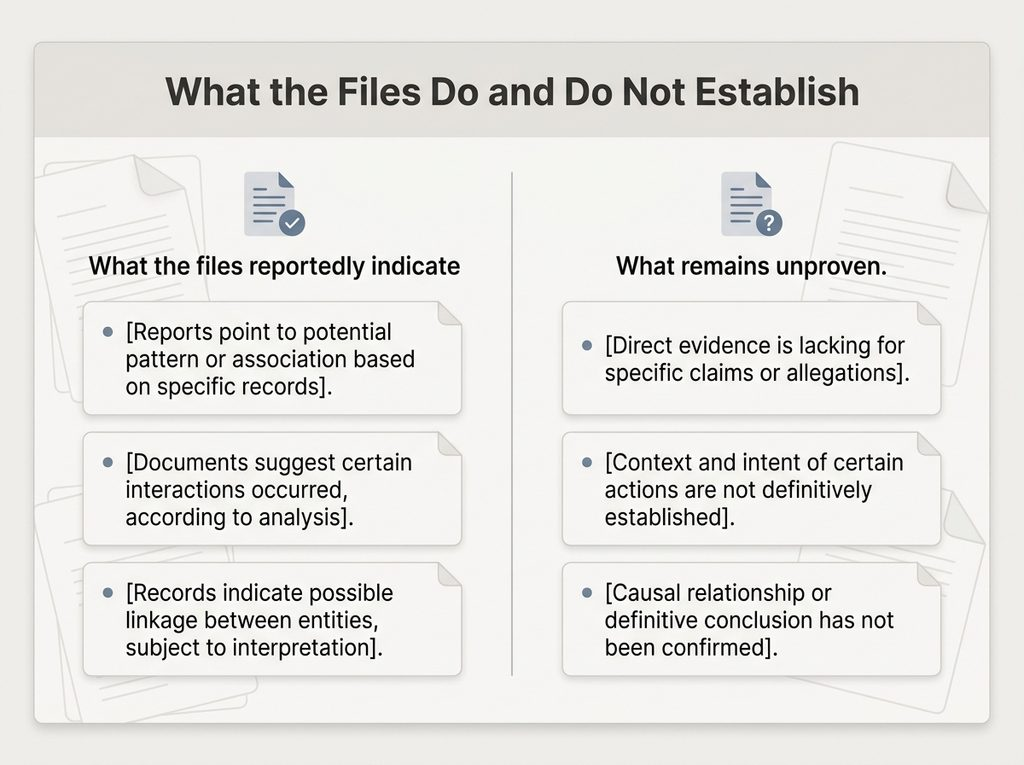
That distinction matters. An FBI assessment is not a court finding. A declassified record is not, by itself, proof that every allegation inside it is true. The documents should be read as a government record of investigative concern, not as a final legal conclusion.
According to the release, the declassified FBI files characterize Swalwell as “potentially compromised” in connection with his relationship or interactions with Fang. The files are said to detail the FBI’s concerns about Fang’s alleged role as a suspected Chinese spy and her proximity to U.S. political circles.
The records appear to fit within a broader counterintelligence concern that U.S. officials have raised for years: foreign governments may seek access to American political figures through networking, donations, campaign activity, local political relationships, or personal contact.
The available source material does not show that Swalwell was charged with a crime, found to have acted as a foreign agent, or knowingly cooperated with a Chinese intelligence operation. Any article or analysis of the declassified records should preserve that distinction.
Christine Fang has been the subject of prior reporting about alleged Chinese influence activity in U.S. politics. Earlier public accounts described Fang as building relationships with local and national political figures, including Swalwell, during his rise in Democratic politics.
Swalwell has previously said he cooperated with the FBI after being informed of concerns about Fang. Prior reporting has also indicated that Swalwell cut off contact after receiving an FBI briefing. He has denied wrongdoing.
The newly declassified records may add documentary detail to what investigators assessed at the time, but they should not be read as replacing the need for direct review of the underlying files, relevant official statements, and any current response from Swalwell.
For researchers, the significance of the declassified FBI files is less about a single political figure and more about the mechanics of foreign influence.
The case touches several recurring national security questions:
– How suspected foreign intelligence actors identify rising political figures before they become nationally powerful.
– How informal access, social relationships, and campaign networks can create counterintelligence vulnerabilities.
– How investigators distinguish political networking from intelligence activity.
– How campaign finance records can help clarify whether money, fundraising, or donor networks played a role.
– How declassified records should be weighed against public denials, official actions, and the absence of criminal charges.
The phrase “potentially compromised” is especially important. In counterintelligence terms, it can signal concern about vulnerability, access, exposure, or leverage. It does not necessarily mean a person knowingly served a foreign power or committed a crime.
The documents may renew interest in campaign finance records connected to Swalwell’s political campaigns and any fundraising activity linked to Fang or her network.
But campaign finance implications should be handled carefully. A counterintelligence assessment does not automatically establish an election-law violation. Determining whether any campaign finance rules were broken would require reviewing Federal Election Commission records, donation histories, applicable legal limits, and any enforcement actions or official findings.
At this stage, the more defensible conclusion is narrower: the declassified records raise issues that researchers may want to compare against campaign finance disclosures and prior reporting. They do not, based on the available source material, prove illegal campaign funding.
Swalwell has previously denied wrongdoing in connection with Fang and has said he cooperated with federal authorities. Any current statement from Swalwell, his office, legal representatives, or campaign should be included alongside the declassified records if available.
That response is central to fair coverage. The allegations involve serious national security implications, and the public record should reflect both the government’s documented concerns and the subject’s denial or explanation.
Several major questions remain unresolved from the available information:
– What specific evidence led the FBI to describe Swalwell as “potentially compromised.”
– Whether the declassified records include new facts beyond prior public reporting.
– Whether the FBI, Department of Justice, House Ethics Committee, or congressional intelligence officials reached any formal finding about misconduct.
– Whether any campaign finance investigation occurred or produced findings.
– Whether Swalwell has issued a new response to this specific declassification.
– Whether any portions of the files remain redacted in ways that limit interpretation.
Those gaps are not minor. They are the difference between documenting an FBI assessment and asserting a proven political scandal.
The newly declassified FBI files add fresh attention to long-running concerns about Christine Fang, alleged Chinese espionage activity, and foreign influence in U.S. politics. They also place Swalwell back at the center of a politically sensitive national security controversy.
But the most important editorial caveat remains: the records should be attributed precisely. They reportedly show an FBI assessment that Swalwell was “potentially compromised.” They do not, on the available record, prove that he knowingly assisted a foreign intelligence operation or violated campaign finance law.
Researchers should read the underlying declassified records, compare them with prior reporting, review official statements, and examine relevant campaign finance filings before drawing broader conclusions.