Newsletter Subscribe
Enter your email address below and subscribe to our newsletter

Ideas Worth Building

A new poll is adding public opinion to the already heated debate over artificial intelligence safety, finding that a majority of Americans see AI as a risk that could threaten humanity.
According to a report carried by The Express Tribune, the polling result shows that concern about artificial intelligence has moved well beyond specialist circles. For researchers, policymakers, and technology companies, the finding is notable because it reflects how quickly AI risk has become part of mainstream public perception.
The result does not prove that AI will cause catastrophic harm. It also does not establish when, how, or whether an extreme outcome could happen. What it does show is that many Americans are no longer treating artificial intelligence as only a productivity tool, consumer technology trend, or business opportunity. They are also weighing it as a potential safety issue.
The reported poll finding centers on whether Americans see artificial intelligence as posing a serious risk to humanity, including the possibility that AI could become destructive at a civilizational scale.
That distinction matters. Public opinion polling measures attitudes, not technical probability. A majority view that AI could threaten humanity should be read as a signal of concern, uncertainty, and perceived vulnerability—not as expert consensus that an existential threat is imminent.
Still, the finding is important because public perception can shape regulation, funding priorities, company behavior, and the level of trust people place in new technologies. When a majority of respondents view AI risk as meaningful, the conversation shifts from whether the public is paying attention to what institutions should do with that concern.
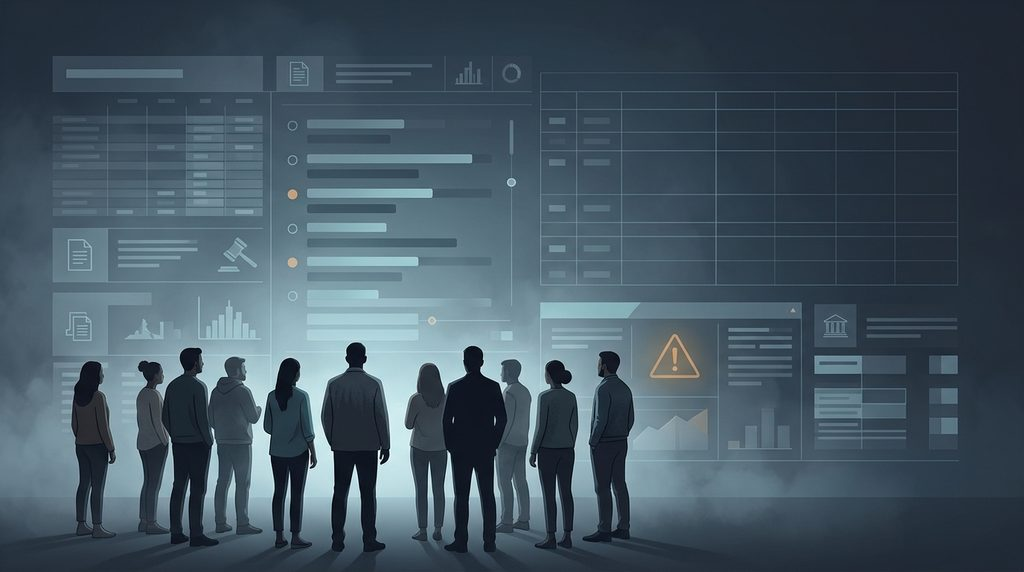
Concern about AI has grown as artificial intelligence systems have become more visible in everyday life. Tools that generate text, images, code, analysis, and synthetic media have made the technology easier to understand and harder to ignore.
For many people, anxiety about AI is likely not limited to worst-case scenarios. Public unease may also reflect more immediate concerns, including:
– Job disruption and automation across white-collar and creative work
– Misinformation, deepfakes, and synthetic media
– Bias, discrimination, and opaque decision-making
– Cybersecurity risks and misuse by malicious actors
– Lack of clarity about who is accountable when AI systems cause harm
These practical worries can blend with broader fears about powerful systems developing faster than institutions can evaluate or regulate them. That combination helps explain why the language of AI risk, technology safety, and even existential threat has entered mainstream discussion.
The poll also lands in the context of repeated public warnings from AI industry leaders, researchers, and policy voices. In recent public debate, some experts have argued that advanced AI systems could pose severe risks if deployed without sufficient safeguards, testing, and oversight.
Those warnings have helped move AI safety from a niche research topic into a public policy issue. The argument is not simply that today’s systems are dangerous in every use case. Rather, the concern is that increasingly capable systems may create risks that are difficult to predict, contain, or reverse once widely deployed.
At the same time, experts disagree sharply about the nature of the risk. Some emphasize long-term catastrophic or existential scenarios. Others argue that the most urgent harms are already visible, including surveillance, labor displacement, misinformation, and discriminatory automated decisions. Many fall somewhere in between, supporting stronger safeguards while cautioning against speculative or alarmist claims.
That disagreement is part of what makes public opinion valuable. The poll suggests that, regardless of expert divisions, many Americans are receptive to the idea that AI safety deserves serious attention.
A public that sees AI risk as real may be more likely to support regulatory action. That could include stronger safety evaluations, transparency requirements, restrictions on high-risk uses, independent audits, or clearer liability rules for companies deploying powerful AI systems.
But the poll alone does not answer what regulation should look like. It does not determine which safeguards would be effective, how strict rules should be, or how governments should balance innovation with technology safety.
For researchers, the more useful takeaway is that public trust is becoming a central variable in AI adoption. If people believe the technology is moving faster than oversight, companies and regulators may face pressure to demonstrate that safety claims are backed by evidence rather than reassurance.
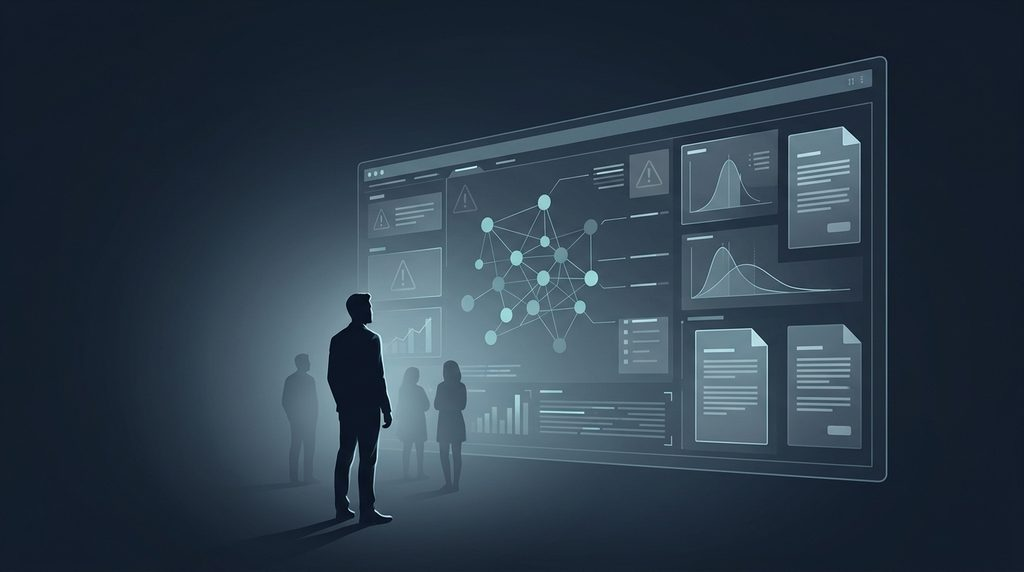
The finding that most Americans see AI as a risk to humanity should be treated as a serious public perception signal, not a forecast. Polling captures how people interpret a fast-moving technology at a particular moment, influenced by news coverage, expert warnings, personal experience, and broader social anxiety.
AI risk remains contested. Experts differ on timelines, severity, technical feasibility, and the best safeguards. Some see existential risk as a central challenge. Others believe focusing too heavily on distant catastrophic scenarios may distract from present-day harms.
What is clear is that artificial intelligence is no longer being evaluated only by developers, investors, or researchers. The public is now part of the debate—and many Americans appear to believe the stakes are much higher than convenience or productivity.
Read more of our artificial intelligence coverage for continued updates on AI safety, public opinion, and technology regulation.