

Newsletter Subscribe
Enter your email address below and subscribe to our newsletter

Ideas Worth Building
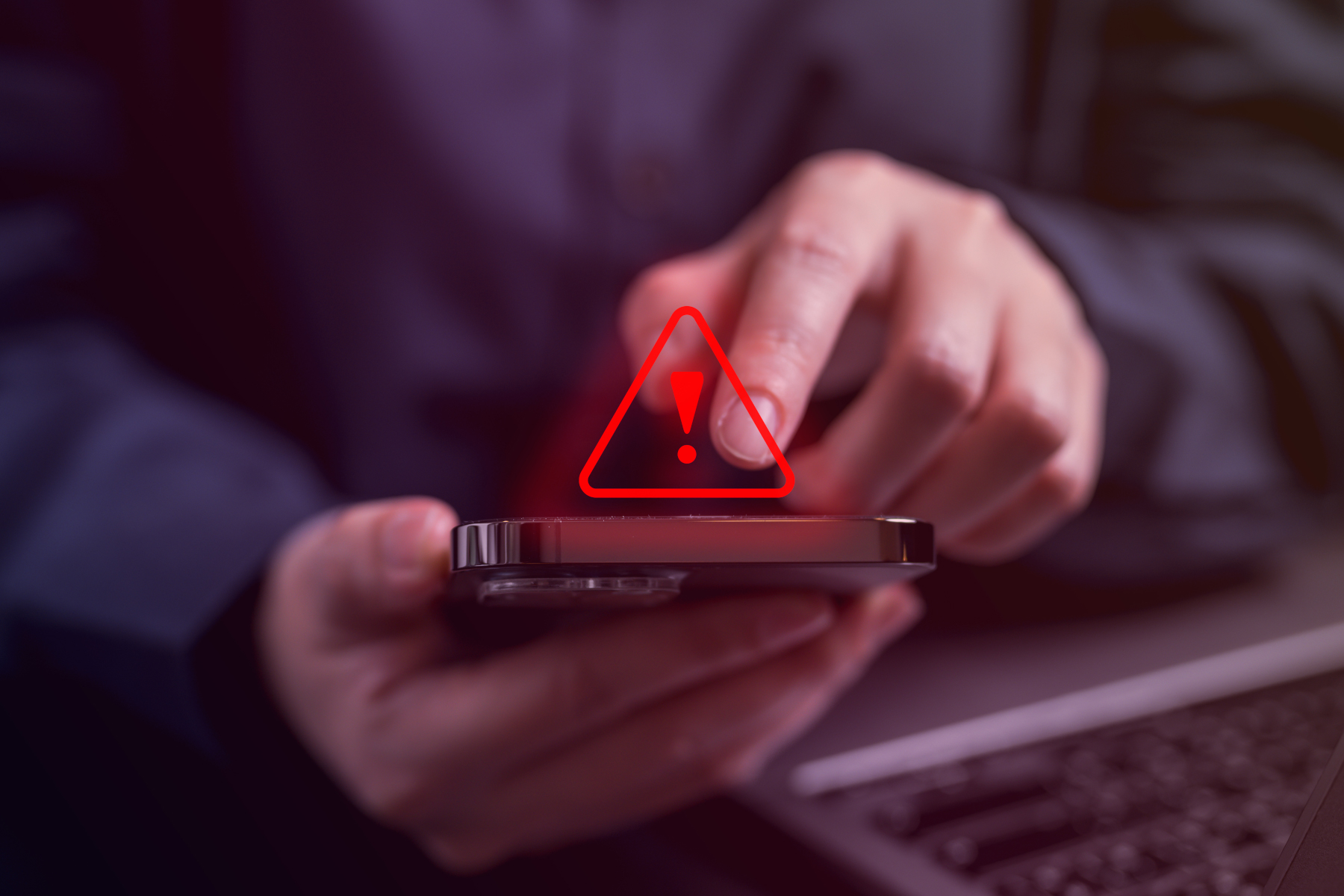
(StatePoint) Digital payments are part of everyday life. Fraud experts warn that scammers are increasingly inserting themselves into these routine digital payment transactions, redirecting money in ways that can be difficult to recover.
Many payment scams start with a message that looks real. It may appear to come from a vendor, service provider or someone you are already working with. The message asks you to send a payment or update payment details.
Because the request fits into a typical situation, such as paying an invoice or completing a purchase, it can be hard to detect scams. By the time the payment is sent, the money is often gone.
“Payment and invoice scams are effective because they often look like routine transactions people are expecting to make. Fraudsters may use compromised accounts, impersonate trusted contacts or create a sense of urgency to redirect funds,” said Joshua Del Valle, executive director of enterprise fraud at PNC Bank. “Taking a moment to independently verify payment requests and payment instructions can help consumers and businesses avoid a costly mistake.”
What to Know About Payment and Invoice Scams
Messages may appear legitimate: Emails, texts or invoices can closely resemble real communications, including familiar names, logos or ongoing transactions. Sometimes they’re even from real communication channels, like a person’s email, after that communication channel was compromised.
Payment details may suddenly change: Requests to “update” wiring instructions or send money to a new account are a common warning sign.
Scams often involve fast, irreversible payment methods: Wires, payment apps and gift cards are commonly used because funds can be difficult to recover once sent.
Fraud can move across channels: A message may be followed by a phone call or text to reinforce the request and create urgency.
For more information on best practices to help prevent fraud, visit PNC’s Security and Privacy Center.
Scams tied to everyday payments can be easy to miss. Taking a moment to verify requests and confirm details can help protect your money and reduce the risk of sending it to the wrong person or place.
PHOTO SOURCE: (c) Ton Photograph / iStock via Getty Images Plus
PHOTO CAPTION: